
When to Start Pelvic Floor Exercises After Birth: A Guide for New Moms
If you’re wondering when to start early pelvic floor exercises after birth, you probably JUST had a baby (or maybe you’re about to) - so CONGRATS mama! You did it!
There is a LOT of information out there for new moms when it comes to a safe postpartum recovery timeline, and I know it can be overwhelming. In this guide, we’ll get into everything you need to know about WHEN and HOW to start reconnecting with your pelvic floor so you can experience optimal healing in the fourth trimester and beyond.
Hi! I’m Dr. Jackie!
I’m a Doctor of Physical Therapy and pelvic floor specialist in New Orleans, with virtual services worldwide, and I specialize in supporting women through pregnancy and postpartum with pelvic floor physical therapy and coaching for every stage of motherhood.
You may have heard from TikTok or Instagram that you need to be focusing on pelvic floor exercises postpartum to prevent common postpartum problems, such as:
Pelvic heaviness / feeling like your vagina is falling out of your body
Leaking urine when you sneeze
Diastasis recti (separation of the ab muscles)
Pelvic pain postpartum
You may have also experienced
Back pain when you lift your baby in his car seat on the way to the pediatrician
Hemorrhoids/ butt pain
Perineal pain from tearing in childbirth (OUCH)
An unplanned C-section leaving you wondering how to recover (honestly - it’s not that different from vaginal birth recovery!)
Whether you’re already having these symptoms or feeling great and trying to prevent pelvic floor issues postpartum, it’s never too late to begin pelvic floor therapy. However, there is a safe timeline in which to do so.
Let’s dive into when to start pelvic floor exercises after birth, the signs your body is ready, and how that timeline can shift depending on your birth.
How to Begin Postpartum Movement
We can’t talk about when to start pelvic floor exercises after birth without talking about how. It really is essential that you begin moving your body again slowly and intentionally.
While pregnancy and childbirth is a natural, physiological process that your body was designed for, childbirth is, in many ways, like an injury.
The strain to your pelvic floor muscles
Tearing in the perineum OR
An abdominal incision if you had a C-Section
Your body is healing from 9-10 months of pregnancy, a wound on your uterus where your placenta was, and significant strain to your pelvic floor from both pregnancy AND childbirth (yes - C-section mamas too).
There can be great variety in postpartum recovery, time frames, and when it’s safe to start pelvic floor exercises after birth, and much of this will be determined by someone’s individual situation and recovery process.
For example:
Someone who had HG in pregnancy and was unable to exercise as much as they hoped is going to possibly have a longer timeframe to build strength in their core and pelvic floor muscles after birth.
Someone who strength trains their entire pregnancy may recover their strength much more quickly, but it does not mean that they will not have any pelvic floor issues postpartum.
This is why I shout from the rooftops that everyone needs pelvic floor physical therapy during pregnancy and postpartum. But, don’t worry, mama! If you haven’t seen anyone yet, this will be a great place to start.
When to Start Postpartum Pelvic Floor Exercises
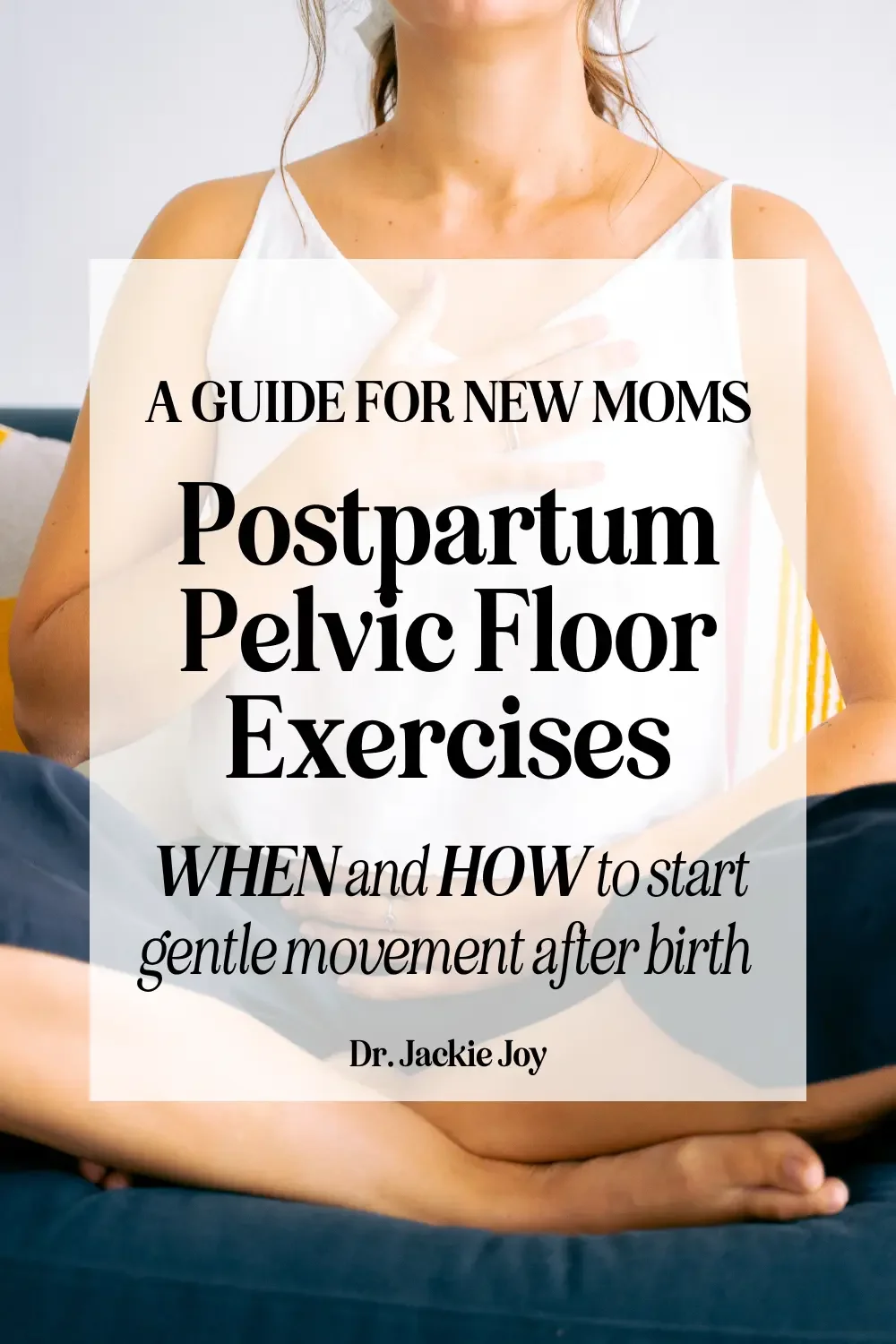
My recommendation as a pelvic floor physical therapist is NOT to wait 6 weeks to begin moving. However, I do recommend moving intentionally and purposefully as your core and pelvic floor heal.
In 2026 I see so many healthcare professionals telling new moms to do NO form of exercise for 6 weeks, then giving them the “all clear” to return to whatever exercise floats their boat.
The advice to wait 6 weeks to exercise postpartum is problematic.
The Problems With Not Starting Intentional Movement Early
At 6 weeks postpartum, your tissues ARE STILL HEALING. Jumping back into a high-impact activity like running or CrossFit without appropriate preparatory work, like postpartum pelvic floor therapy exercises, can set you up for injury and pelvic floor problems both in the immediate future and farther down the road.
Just as you would heal from an ankle sprain, you wouldn’t go back to running without first healing and strengthening your ankle.
You Actually DON’T Have to Wait 6 Weeks to Start Moving!
As a pelvic floor PT specializing in postpartum recovery and return to exercise, I recommend starting pelvic floor physical therapy exercises EARLY, doing them frequently, and progressing toward stability and strength training to heal your pelvic floor and prevent injuries from the very physical demands of motherhood.
Signs Your Body Is Ready for Gentle Movement
So how do you know you’re ready to start? A few gentle signs to look for:
Your bleeding has tapered to light spotting or stopped
You can engage your core or take a deep breath without pain or pressure
You’re not having to brace or bear down to get through everyday movements
You’re feeling rested enough to focus, even briefly, on your body
You don’t need ALL of these to begin — and healing isn’t a checklist with a finish line. But if several of these feel true for you, your body may be ready for some gentle, intentional movement.
Does the Timeline Look Different Depending on How You Gave Birth?
Short answer: yes, a little — though the core principles stay the same no matter how you delivered.
If you had a vaginal birth with tearing, your timeline may be shaped by how your perineum is healing — sitting comfort, any stitches, and pelvic floor tenderness are good things to pay attention to.
If you had a C-section, you’re recovering from major abdominal surgery on top of everything else pregnancy and birth ask of your body. That doesn’t mean you wait longer to start gentle breathwork and core reconnection — it just means your starting point and progression will look a little different. (I go much deeper into this in my C-section recovery guide.)
And if your birth involved a NICU stay, an instrumented delivery (forceps or vacuum), or anything that felt more complicated, please know: there is no “behind.” Your timeline is allowed to be its own timeline, and working with a pelvic floor PT one-on-one can help you feel confident about your specific plan.
What to Focus on When Starting Pelvic Floor Exercises Postpartum
If you are reading this and you are freshly postpartum, you can start pelvic floor exercises as early as day one postpartum.
The key is to focus on:
Breathwork
Gentle core activation
Mobility work
I walk through my favorite exercises in each of these categories — with step-by-step instructions and video demos — in Exercises You Can Start Before 6 Weeks Postpartum. That post is your complete how-to guide for the early days.
With that being said…most moms forget to include a lot of rest.
As a Pelvic Floor Physical Therapist and Mom, I have found the best results for pelvic floor health in the long run come from overemphasizing rest and staying mostly in bed for at least the first two weeks after giving birth.
This is popularly called the postpartum 5-5-5 rule, and I write about it in detail in my postpartum recovery guide.
After you have gifted yourself ample time to rest and focus on the new baby snuggles, you can start to slowly ease into gentle movement and pelvic floor exercises.
How to Know You’re Progressing (Without Rushing)
Healing isn’t a straight line, mama — but there are gentle signs that you’re moving in the right direction:
Less heaviness or pressure by the end of the day
You can do your breathwork and core activation without symptoms increasing
Everyday movements (getting up from the couch, lifting your baby) start to feel less effortful
You’re able to add a little more — a few more reps, a slightly longer walk — without setbacks
Some days will feel like progress, and some days will feel like you’re starting over. Both are normal. If you want a guided path through this progression instead of guessing, Postpartum Kickstart walks you through it week by week.
Recommendations for Later Postpartum Exercise
If you are four-six weeks postpartum or further along, AND you have been working on these exercises for a few weeks, you may be ready to try these exercises as well.
With that being said, even if you are farther along in your physiological healing, I highly recommend starting with the above exercises to rebuild your core before challenging it more - after all, at 6 weeks postpartum, your pelvic floor muscles are only at about 50% of their normal strength.
Final Thoughts
Remember, the FIRST part of postpartum recovery is REST. I highly recommend following the postpartum 5-5-5 rule, and protecting those first 2 weeks (if not up to a month) as much as possible.
If you are looking for a full day-by-day exercise plan for the first two weeks postpartum, complete with a gentle core and pelvic floor exercise routine you can do while resting in bed, I recommend getting my early postpartum recovery guide.
And finally, everyone’s postpartum recovery is different. I highly recommend consulting with a pelvic floor physical therapist to come up with an early postpartum recovery plan that is tailored to you and your individual needs.
Frequently Asked Questions
What exercises can you do 2 weeks postpartum?
There are safe exercises you can do during early postpartum. It’s always best to consult with your local OBGYN or pelvic floor therapist. You can read about my recommendations for exercises before 6 weeks postpartum in this blog post.
What is the 3-3-3 rule for postpartum?
The 3-3-3 rule is one postpartum recovery guideline that suggests new moms spend 3 days in bed focused entirely on resting, followed by 3 weeks of light activity around the house, followed by a 3 week postpartum checkup with an OB/GYN.
What are common mistakes postpartum?
Some common mistakes that new moms can make postpartum include engaging in strenuous activity such as heavy lifting too quickly after giving birth, not allowing ample time to rest and recovery, and neglecting pelvic floor recovery postpartum.
Ready for a Step-by-Step Recovery Plan?
If you’re craving a clear, structured plan to support you through postpartum recovery, I created something just for you.
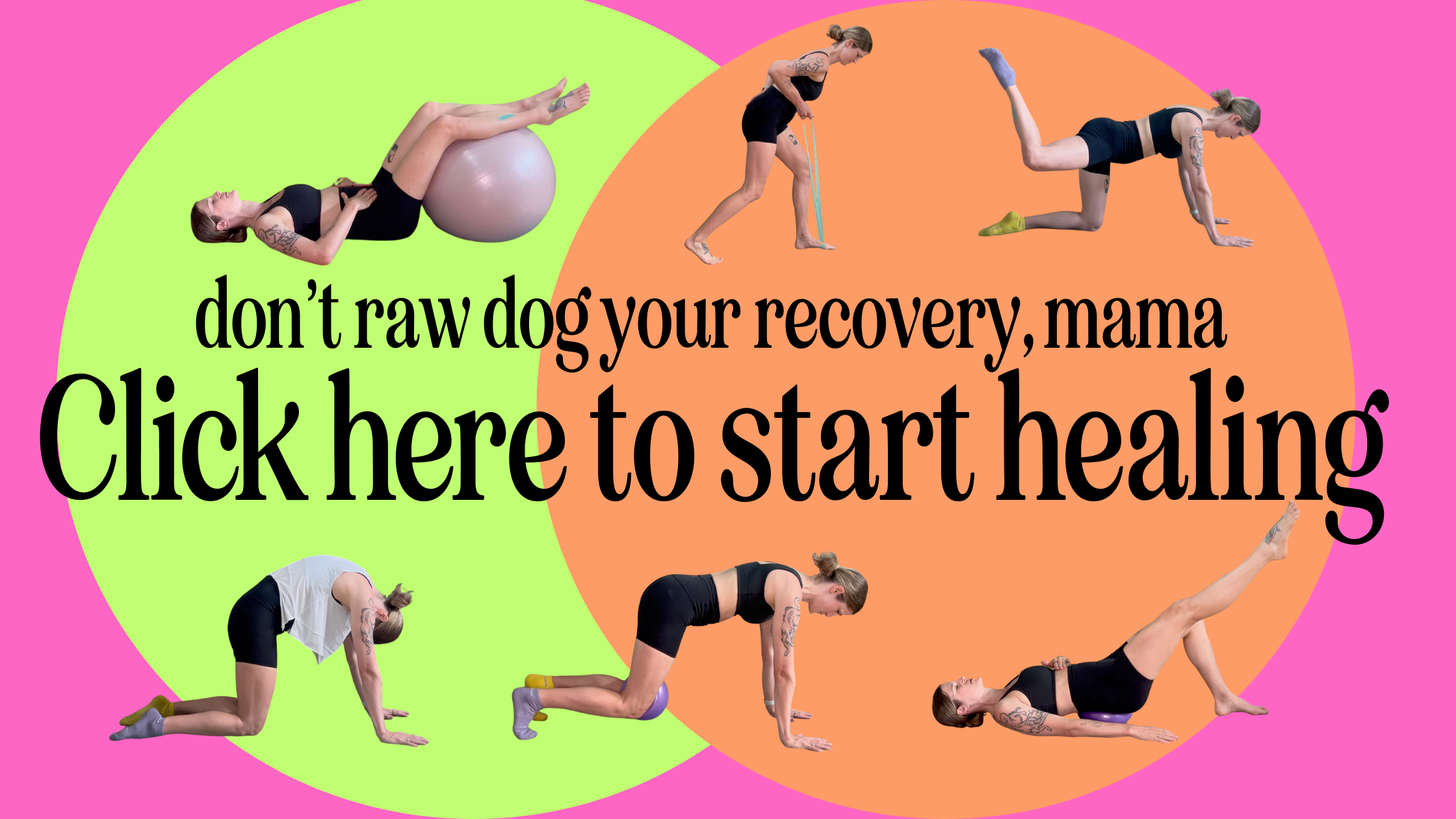
Postpartum Kickstart is my 6-week, app-based program designed to help you:
Heal your core and pelvic floor
Safely rebuild strength, week by week
Feel supported and confident in your body again
I built this program because I’ve been there — a postpartum mama trying to navigate newborn life while wanting to feel like myself again. As one mama to another, I get it. And I’ve got you.
Inside Postpartum Kickstart, you’ll find:
Safe, progressive core and pelvic floor exercises you can begin as early as day one postpartum
Clear guidance for diastasis recti, perineal tears, prolapse symptoms, and C-section recovery
App-based programming that tells you exactly what to do each day — no guessing
6 weeks of adaptable workouts designed for fluctuating energy, limited sleep, and real-life motherhood
A strength foundation that prepares you to return to running, lifting, and toddler-chasing — without leaks, pain, or pelvic pressure
Education and support around the full recovery picture: return to sex, breastfeeding-related changes, birth trauma processing, and the identity shift into motherhood
Because, mama, you deserve to feel empowered with a safe 6-week postpartum workout plan.
👉 Start Postpartum Kickstart here
Ready for More Support?

Hi! I’m Dr. Jackie Roelofs
- a doctor of physical therapy specializing in the pelvic floor in pregnancy, postpartum and beyond. My postpartum recovery programs are available in person in New Orleans, and worldwide through my fully digital postpartum programs.
If you are craving support after undergoing one of the biggest transformations of your life, fill out a contact form and I’ll reach out to you within 2 business days.
If you are within the first 6 weeks postpartum, make sure you check out my E-Book, Rest, Breathe, Begin: a postpartum recovery guide for those first few weeks at home with baby. It includes exercises you can do from your own bed to reconnect to your core, reduce pain, and kickstart your recovery and return to exercise after C-section.
Next on Your Reading List:
Pelvic Floor Therapy After C-Section: the key to recovering from pain, healing your core, and getting back to exercising
Postpartum Workout Equipment Every New Mom Needs — the ultimate guide to essential postpartum workout gear for at home or on the go
Preparing for Postpartum — a Pelvic Floor Physical Therapist’s postpartum essentials checklist
Exercises You Can Start Before 6 Weeks Postpartum - the exact exercises I recommend to my patients who are freshly postpartum and ready to return to exercise.
If you want to stay connected, make sure to Follow me on Instagram @drjuicyjackie for more expert (and no-TMI) postpartum advice.
